

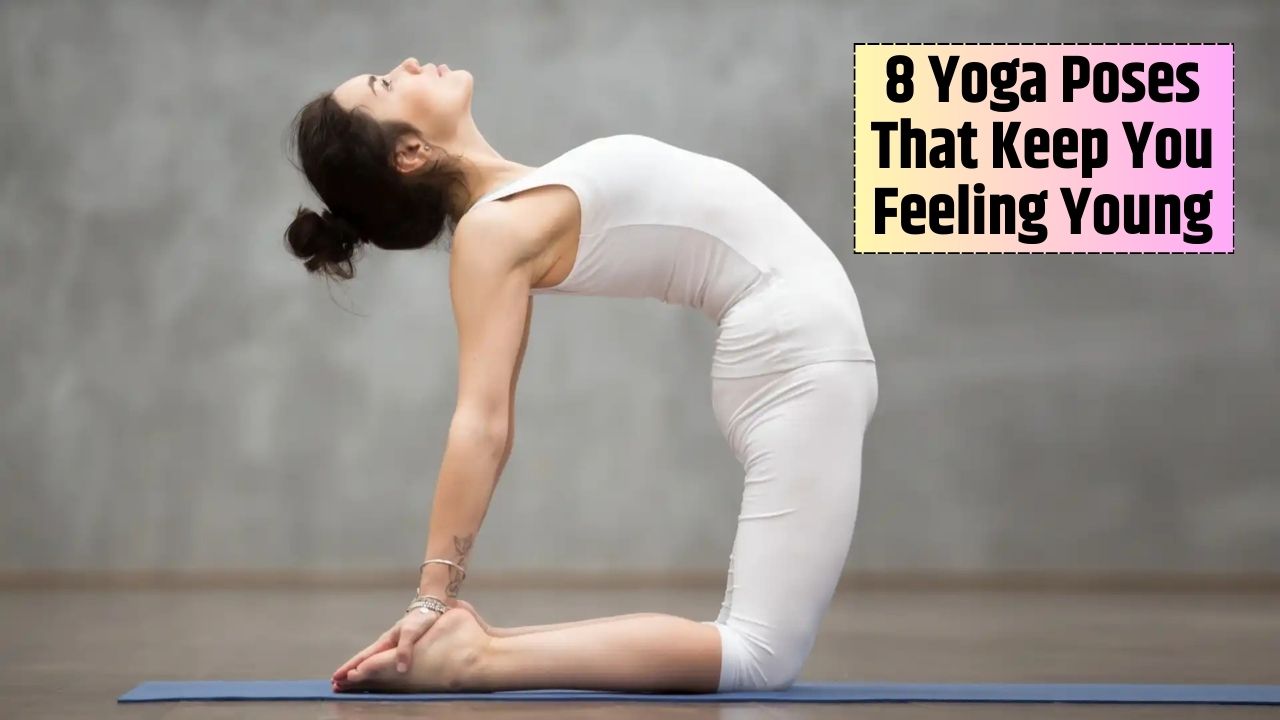
You can’t freeze time, but you can feel like you’ve rolled it back a little by moving better, breathing deeper, and carrying yourself with more ease. Feeling younger isn’t about chasing wrinkle creams or extreme fitness regimens. It’s about keeping your body strong, mobile, and calm enough to handle whatever life throws at you. And yoga? It checks all those boxes without hammering your joints or draining your energy.
In fact, some of the most effective age-defying tools require no gym, no fancy supplements—just a yoga mat, some intentional movement, and a little consistency.
These eight yoga poses are more than just stretches—they’re powerful, low-impact ways to help your body feel lighter, more balanced, and, yes, younger.
Why Yoga Keeps You Feeling Young
Yoga doesn’t just improve flexibility. It’s a full-body approach to aging well—gently strengthening muscles, improving circulation, reducing inflammation, and calming the nervous system. That’s a combo few other workouts offer.
With consistent practice, yoga:
- Protects joint health through safe range-of-motion exercises
- Boosts circulation and energy without overexertion
- Improves posture, which impacts how young (or old) your body feels
- Reduces stress hormones that accelerate aging
- Supports hormonal balance, digestion, and sleep quality
Let’s break down eight specific poses that directly support physical and mental longevity.
1. Mountain Pose (Tadasana)
Slouching doesn’t just feel uncomfortable—it adds years to your appearance and drains energy.
How to do it:
Stand with feet hip-width apart. Distribute weight evenly, engage your thighs and core, and lift through the crown of your head. Let your arms rest beside you, palms forward or in prayer.
Why it works:
Mountain Pose re-trains your postural muscles and brings awareness to alignment. Standing tall improves breathing, reduces back and neck pain, and helps you move with more confidence.
Feeling tip:
Try holding this for one minute while breathing deeply—it’s surprisingly energizing.
2. Cat-Cow (Marjaryasana-Bitilasana)
Your spine is your body’s central support system. Keep it moving, and everything else tends to follow.
How to do it:
Start on hands and knees. Inhale, arch your back, lift your tailbone and chest (Cow). Exhale, round your spine, tuck your chin (Cat). Repeat slowly for 1–2 minutes.
Why it works:
This gentle spinal flow increases flexibility, reduces stiffness, and stimulates the nerves that keep your brain and body in sync.

Bonus:
It also relieves tech-neck from screens—a modern aging culprit.
3. Downward Facing Dog (Adho Mukha Svanasana)
This all-in-one pose stretches, strengthens, and refreshes the whole body.
How to do it:
From tabletop, lift your hips high, forming an inverted V-shape. Press through the hands, let your heels move toward the ground (bent knees are totally fine).
Why it helps:
It stretches the spine, hamstrings, calves, and shoulders while increasing blood flow to the brain. The result? Better focus, lighter muscles, and a boost of natural energy—no caffeine required.
4. Warrior II (Virabhadrasana II)
If you want to keep moving well as you age, strong legs are non-negotiable.
How to do it:
From standing, step one foot back and bend the front knee to 90 degrees. Extend arms out at shoulder height. Gaze over your front hand.
Why it matters:
Warrior II builds leg strength, stamina, and mental focus. It also improves joint stability in the knees and hips.
Aging tip:
This pose reinforces independence and helps maintain your ability to walk, climb stairs, and stand tall.
5. Tree Pose (Vrksasana)
Falls are a leading cause of injury in older adults—but balance is highly trainable.
How to do it:
Stand on one foot. Rest the opposite foot on your inner calf or thigh (not the knee). Hands can stay at the chest or lift overhead. Hold for 30 seconds, then switch.
Why it’s youth-friendly:
Tree Pose challenges your stabilizing muscles and sharpens your brain’s balance systems. It also builds ankle and core strength—your silent support squad.
Pro tip:
Start near a wall or chair for support if needed. With time, your balance will improve naturally.

6. Bridge Pose (Setu Bandhasana)
Your glutes and back muscles are central to posture, mobility, and avoiding injuries. Bridge Pose keeps them awake and active.
How to do it:
Lie on your back with knees bent and feet flat. Press through your feet to lift your hips. Optionally, clasp your hands under your back.
Hold for: 30 seconds to 1 minute
Why it works:
It strengthens the lower back, glutes, and hamstrings while gently opening the chest and shoulders. It also counters hours of sitting—a major aging accelerator.
7. Seated Twist (Ardha Matsyendrasana)
You’re only as young as your spine is mobile—and your digestion is smooth.
How to do it:
Sit tall with legs extended or crossed. Inhale to lengthen, exhale to twist toward one side. Hold, then switch.
Why it helps:
Twists wring out tension from the spine, support internal organ function, and help stimulate digestion. This is especially helpful as metabolism and gut motility naturally slow with age.
Added benefit:
Improved digestion = better nutrient absorption = more energy and better skin.
8. Child’s Pose (Balasana)
Never underestimate the power of stillness. Your body heals in rest mode.
How to do it:
Kneel with big toes touching, knees wide. Fold forward, rest your forehead on the mat or pillow. Arms can extend forward or rest by your sides.
Why it’s crucial:
This pose promotes deep relaxation and helps lower stress hormones like cortisol. It also gently stretches the hips and spine.
Youthful insight:
Deep rest is not lazy. It’s essential for cellular repair and emotional balance.
How Often Should You Practice?
Aim for 3 to 5 times a week for lasting benefits. Even 15–20 minutes per session can make a noticeable difference in how your body feels and functions.
- Mornings are great for energy and mobility
- Evenings work well for calming and sleep quality
- Consistency > intensity
Focus on slow, steady breathing and avoid rushing. Yoga is not a race—it’s a relationship with your body.
Who Can Practice These Poses?
These poses are beginner-friendly and safe for most adults, including seniors. If you have joint issues, back pain, or limited mobility, you can modify with props like cushions, straps, or a sturdy chair.
Tip: Always listen to your body. If a pose feels sharp or unstable, back off or skip it. Yoga should feel supportive, not stressful.
Feeling younger doesn’t come from expensive creams or punishing workouts. It comes from treating your body like something worth taking care of. These yoga poses support the kind of long-term strength, flexibility, and balance that make daily life feel easier and more joyful.
Aging is inevitable. How you age? That’s up to you.
So unroll your mat. Breathe deep. Move with intention. Your younger-feeling self is just a few poses away.
FAQs
Can yoga actually help reverse signs of aging?
While it won’t reverse time, yoga slows down functional aging by improving mobility, reducing stress, and enhancing overall vitality.
I’m not flexible can I still do these poses?
Yes. Flexibility improves with practice. Use props or modify poses as needed to stay safe and comfortable.
How long until I feel results?
Many feel lighter and more mobile after the first few sessions. Consistent practice for a few weeks often brings visible posture and energy changes.
Is yoga safe for seniors or people with joint issues?
Yes with modifications. Chair yoga and restorative poses are great options for those with limited mobility or joint pain.
What’s the best time of day to do yoga for aging well?
Morning sessions boost circulation and energy; evening practice helps with recovery and sleep. Pick the time that best suits your lifestyle.


