

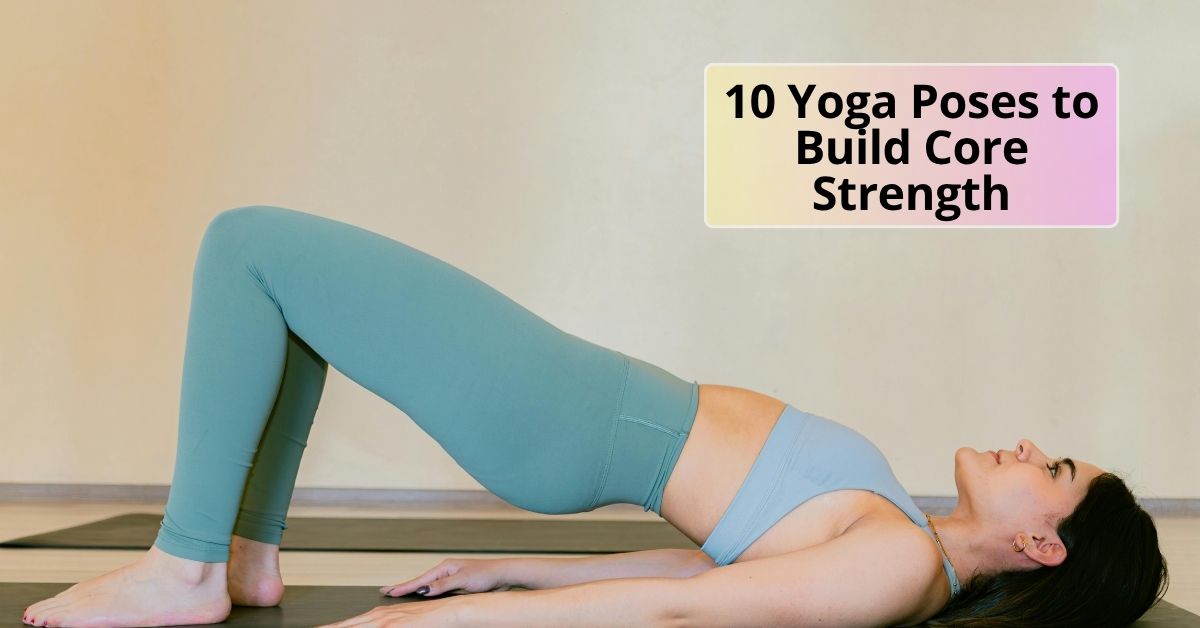
What exactly is “core strength”? For a lot of people, the phrase instantly brings up images of endless sit-ups, six-pack abs, and punishing gym workouts. But honestly, real core strength goes much deeper than stomach muscles. Your core isn’t just about looking toned it’s about how your entire body supports itself through movement, balance, posture, breathing, and even emotional resilience.
A strong core helps you move through daily life with stability and ease. Whether you’re walking upstairs, carrying groceries, getting out of bed, or flowing through a yoga class, your core is involved in almost every single movement you make. And when those deeper muscles are weak? The body starts compensating elsewhere, often leading to lower back pain, hip tightness, knee strain, or poor posture.
In yoga especially, core strength is less about crunches and more about building a body that feels long, stable, balanced, and connected.
Why Core Strength Matters
Most people don’t realize how often they rely on their core throughout the day. Even standing upright requires subtle engagement from deep stabilizing muscles.
Your core acts like the body’s internal support system. It stabilizes the spine, supports the pelvis, and helps transfer energy efficiently between the upper and lower body. Without that support, simple movements become harder and less efficient.
Think about running for example. A strong core allows your hips, pelvis, and lower back to work together smoothly without overworking. If the core is weak, other muscles jump in to compensate and that’s where injuries often start creeping in.
In yoga, core strength helps with balance, transitions, stability, and control. From holding Tree Pose steady to flowing through Chaturanga without collapsing into the lower back, your core is quietly doing a ton of work behind the scenes.
What Is the Core Actually Made Of?
Here’s where things get interesting.
Your core is not just your abs.
In fact, many yoga teachers and movement specialists describe the core more like an “apple core” running through the center of the body from feet to head. This idea is supported by fascia research and concepts like Thomas Myers’ “Anatomy Trains,” which maps the body’s connective tissue lines.
Your deep core line includes:
- The arches of the feet
- Knee joints
- Inner thighs (adductors)
- Pelvic floor
- Hip flexors
- Lower spine
- Diaphragm
- Deep neck muscles
So yes your feet, breath, and even neck posture are connected to your core function.
That’s why traditional ab workouts alone often miss the bigger picture. Real core strength comes from integration, not isolation.
The Emotional Side of Core Strength
This part surprises people sometimes, but posture and movement can deeply affect emotional wellbeing.
When we spend hours hunched over laptops or phones, the body tightens through the chest, diaphragm, hips, and neck. Breathing becomes shallow. The nervous system stays tense. Over time, that physical compression can influence mood, stress levels, and energy.

Yoga approaches core work differently. Instead of forcing the body into rigid tension, it encourages a balance of strength and openness.
There’s also the energetic perspective from yoga philosophy. The solar plexus area, known as Manipura Chakra, is associated with confidence, personal power, resilience, and transformation. Practices that strengthen the core can sometimes leave people feeling mentally stronger too not just physically.
You know that feeling after a powerful yoga class? Upright posture, calmer breathing, clearer mind. That’s part of it.
Why Sit-Ups Aren’t Always the Best Answer
Traditional crunches and sit-ups repeatedly shorten the body into a curled position. For some people, especially those already dealing with tight hips, neck tension, or lower back pain, this can create more compression instead of balanced strength.
That doesn’t mean all abdominal exercises are bad. It just means core training should involve stability, breath awareness, posture, and functional movement not endless spinal flexion.
Yoga focuses more on creating a strong and lengthened core rather than a tight and overworked one.
10 Best Yoga Poses for Building Core Strength
1. Tadasana (Mountain Pose)
It sounds simple, but Mountain Pose teaches awareness of the entire core line.
Stand with feet hip-width apart. Feel the arches of the feet lift gently. Engage the thighs slightly, soften the ribs, lengthen the spine, and breathe deeply into the diaphragm.
This pose helps you understand that core activation starts with awareness.
2. Bird Dog
A fantastic posture for beginners, postpartum recovery, or anyone rebuilding stability.
Start on hands and knees. Extend one arm forward and the opposite leg back. Keep the hips level and avoid collapsing into the lower back.
This pose trains balance, coordination, and deep stabilizing muscles.
3. High Lunge
High lunge challenges balance while strengthening the hips, legs, and core simultaneously.
Step one foot back and lift the heel. Keep the torso upright and engage through the center of the body to avoid wobbling.

You’ll quickly notice how much core control this pose requires.
4. Tree Pose
Balancing poses reveal core strength fast.
Stand on one leg and place the opposite foot against the calf or inner thigh. Bring palms together and focus on a steady gaze.
The key here isn’t stiffness it’s subtle stability.
5. Triangle Pose (Trikonasana)
Triangle Pose strengthens the obliques and improves overall body awareness.
Step the feet wide apart and extend one arm toward the front leg while the other reaches upward. Keep the spine long instead of collapsing downward.
A strong core helps create spaciousness in the pose.
6. Plank Pose
Classic for a reason.
Plank strengthens the shoulders, spine, abdominals, and hips all at once. Start with knees down if needed and focus on maintaining one long line through the body.
The goal is steady breathing, not just surviving.
7. Side Plank
This variation targets the oblique muscles and challenges stability.
From plank, rotate onto one side and stack the feet or stagger them for more support. Lift the hips strongly away from the floor.
It’s tough but incredibly effective.
8. Forearm Plank
Forearm plank reduces wrist pressure while deeply engaging the core.

Place forearms on the floor with elbows under shoulders and extend the legs back. Draw the belly gently inward while breathing steadily.
Even 20 seconds can feel intense here.
9. Dolphin Pose
Dolphin Pose builds upper body and core strength while preparing the body for inversions.
From forearm plank, lift the hips upward like Downward Dog. Keep the spine long and shoulders active.
This pose develops both strength and endurance.
10. Navasana (Boat Pose)
Probably the closest yoga gets to a classic abdominal exercise.
Sit with knees bent and lift the feet from the floor. Keep the chest lifted and spine tall. You can hold behind the thighs for support or extend the arms forward.
Boat Pose strongly activates the front body while also building mental grit. And yes shaking is completely normal.
Core Strength Is More Than Muscle
At its deepest level, core strength is about connection.
Connection between breath and movement. Between stability and flexibility. Between physical strength and emotional resilience.
Yoga teaches that building a strong core isn’t simply about aesthetics or achieving visible abs. It’s about creating support from the inside out so the body moves efficiently and the mind feels grounded.
And honestly? That kind of strength tends to stay with you long after the workout ends.