
Yoga can do a lot for mobility, and not in that vague, feel-good way people sometimes throw around. Done consistently, it helps you move better in real life. Reaching overhead, getting down to the floor, standing up without stiffness, walking with less strain, even sitting at a desk without feeling like your back has turned to stone by 4 p.m. That’s the real win.
Mobility is not just about being flexible, either. Flexibility is part of it, sure, but mobility is really about how well your joints move through their usable range of motion with control. That control matters. It is what helps you move with less pain, better posture, and a lot more confidence.
Shoulder Mobility
The shoulders are incredibly mobile, which is both a gift and a bit of a problem. Because they can move in so many directions, they are also more vulnerable to strain and instability. If your shoulders feel tight or cranky, everyday movements like reaching, lifting, or even sleeping comfortably can start to feel harder than they should.
Building shoulder mobility through yoga can help improve overhead range, reduce stiffness, and support better movement mechanics. It can also help counteract the rounded posture that comes from sitting at a desk or looking down at your phone all day.
Here are three yoga poses that can support shoulder mobility:
Downward Facing Dog (Adho Mukha Svanasana)
This pose lengthens the spine while opening through the shoulders and upper back. Pressing the hands firmly into the mat helps create space across the chest and encourages shoulder flexion.
Keep a soft bend in the knees if your hamstrings feel tight. The goal is not to force the heels down. It is to create length from hands to hips.
High Lunge Variation (Ashta Chandrasana)
A high lunge with the arms reaching overhead can challenge both shoulder mobility and stability. It also asks the ribcage to stay controlled, which is useful because many people compensate for limited shoulder range by flaring the ribs.
Focus on lifting through the arms without shrugging the shoulders into the ears. That small adjustment makes a huge difference.
Side Plank Variation (Vasisthasana)
Side plank works shoulder stability in a very real way. It is not just about opening the body. It is about teaching the supporting shoulder to hold strong and stay organized under load.
If the full version feels too intense, lower one knee to the mat. You still get the benefit without turning it into a survival exercise.
Thoracic Mobility
If you are often hunched over a laptop, steering wheel, or phone, your thoracic spine might be feeling the effects. This part of the spine, located between the neck and lower back, is designed to rotate and extend. But modern life tends to push it in the opposite direction, into rounding and stiffness.
When the thoracic spine lacks mobility, the neck and lower back often try to pick up the slack. That is usually when discomfort starts creeping in.
One of the best yoga-based movements for this area is Cat-Cow.
Cat-Cow (Marjaryasana-Bitilasana)
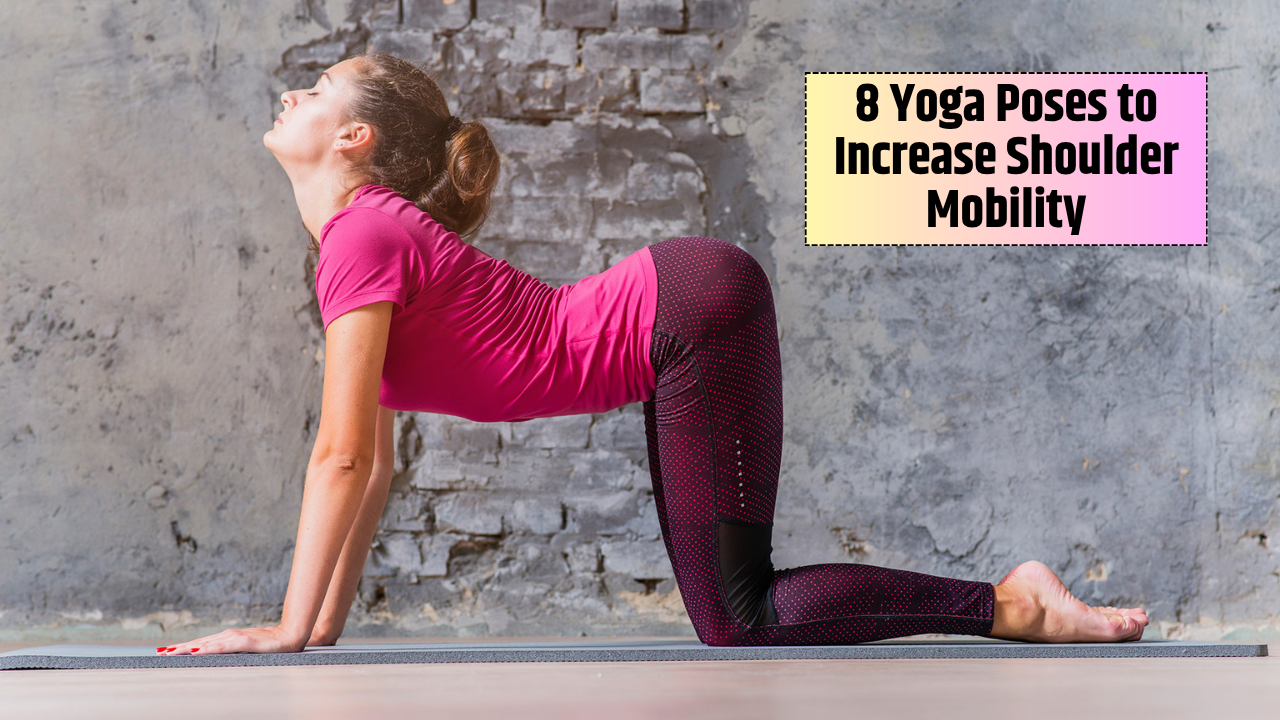
Move onto all fours with your hands under your shoulders and knees under your hips. As you inhale, lift the chest and tailbone for Cow Pose. As you exhale, round the spine and tuck the chin for Cat Pose.
This movement helps improve awareness and mobility through the spine, especially in the upper back. Slow repetitions work better than rushing. Think of it as a reset, not a race.
Try 8 to 12 rounds, moving with your breath.
Hip Mobility
Hip mobility can change your entire yoga practice. Honestly, it can change how your whole body feels. The hips are involved in walking, sitting, bending, balancing, and so many yoga poses that when they are stiff, the body tends to compensate elsewhere.
Improving hip mobility may help you move more freely in lunges, folds, twists, and seated postures. It can also reduce excess stress on the knees and lower back.

Here are two strong options for opening the hips:
Bowing Warrior (Baddha Virabhadrasana)
This pose combines strength, balance, and hip opening. It challenges the hips to move with control while also asking the body to stay stable.
Move into it gradually. If the bind is not accessible, skip it. You do not need the full expression of a pose for it to be useful.
Lizard Pose (Utthan Pristhasana)
Lizard is one of those poses that gets right into the hips. It can target the hip flexors, inner thighs, and glutes, depending on how you set it up.
Use blocks under the hands or forearms if the floor feels too far away. That does not make it easier in a lesser sense. It makes it more workable, which is what actually helps progress.
Ankle Mobility
Ankles do not get much attention until they become a problem. But they matter a lot. Walking, running, balancing, squatting, and many standing yoga poses all depend on functional ankle mobility.
Limited ankle motion can affect the knees and hips, and it can make balance postures feel much less steady. In yoga, stiff ankles often show up in low stances or kneeling positions where the body simply cannot settle comfortably.
These poses can help:
Tree Pose (Vrksasana)
Tree Pose is usually thought of as a balance pose, but it also builds awareness through the standing foot and ankle. The ankle works continuously to keep you upright, making it a subtle but effective way to build strength and control.

Do not worry if you wobble. That is part of the process.
Hero Pose (Virasana)
Hero Pose can gently stretch the ankles and tops of the feet while also encouraging mobility through the lower legs. For some people, though, this pose is intense right away.
Sitting on a block or cushion can make it much more comfortable. No shame in props. Props are smart.
A Simple Mobility Overview
| Area | Why It Matters | Helpful Poses |
|---|---|---|
| Shoulders | Supports reaching, lifting, and posture | Downward Dog, High Lunge Variation, Side Plank Variation |
| Thoracic Spine | Helps reduce hunching and improves upper back movement | Cat-Cow |
| Hips | Affects walking, bending, and many yoga transitions | Bowing Warrior, Lizard Pose |
| Ankles | Important for balance, walking, and low stances | Tree Pose, Hero Pose |
A Few Things to Keep in Mind
Mobility work should feel productive, not punishing. Mild discomfort can happen when stretching or exploring a new range of motion, but sharp pain is a stop sign. Back off, adjust, and breathe.
Consistency matters more than intensity. A few minutes several times a week will usually do more than one heroic session where you push too hard and regret it the next day.
And yes, progress can be slow. Annoyingly slow sometimes. But it adds up.
Final Thoughts
Yoga is a genuinely effective way to improve mobility when you approach it with patience and awareness. It can help increase flexibility, reduce pain, improve posture, and build the kind of strength that supports better movement in everyday life. Whether you are a beginner or someone who has been practicing for years, working on shoulder, thoracic, hip, and ankle mobility can make your body feel more capable and a lot less restricted.
The key is simple: move often, move gently, and do not force anything. Your body tends to respond better to kindness than brute force anyway.